8:15Start of the day
Morning circle
Tuning in, the day's plan, sharing "what went well / what's on my mind" and one small personal goal. Every child gets space to be heard before lessons begin.

We create a calm, predictable environment in which every child feels seen and safe. We teach social-emotional skills deliberately and directly — and then use them naturally in projects and everyday situations.
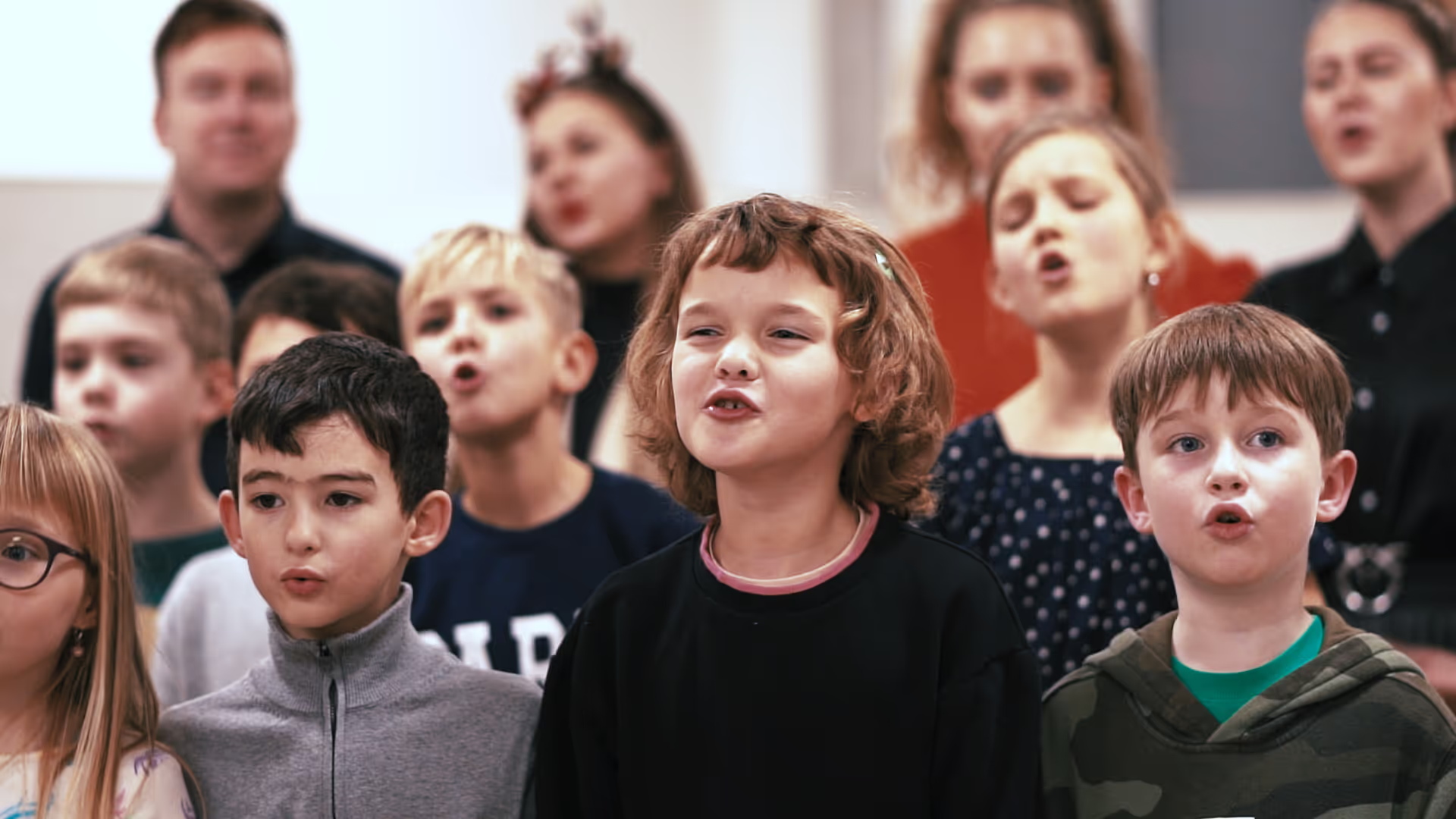
Wellbeing isn't a bonus. It's part of the rhythm of the day — visible in our structure, our language and our routines.
— the FLOW pedagogical approach
No extra subject. Wellbeing lives in how we begin, how we work and how we recover — and at each moment we intentionally build a specific social-emotional skill.
Tuning in, the day's plan, sharing "what went well / what's on my mind" and one small personal goal. Every child gets space to be heard before lessons begin.
Direct teaching · calm/relaxation · deep work. Children move between zones according to the task and their own needs. Two adults in the classroom — a teacher with a shared assistant or a native speaker — model kind communication.
Short "reset" moments that help bring attention back — without breaking the flow of learning. A child who needs a pause takes one. Simple calming strategies: breathe, pause, ask for help.
When conflict happens, we work through it with a restorative conversation — name the situation, agree on repair, check that it worked. No punishment, with responsibility. The buddy system connects children across classes.
We build class rules with the children — their own rules > imposed rules. Regular check-backs after projects. Anti-bullying and online safety have planned lessons, and trusted external practitioners for sensitive topics.
Support builds on what children already know from the daily routines. No "different mode" gets switched on — just more attention. The same team that already knows the child every day, only going deeper.
Two adults in the classroom watch for recurring patterns. A one-off day, no — but a trend, yes. We take notes and share within the team.
Seating, visual supports, breaking tasks down, guided breaks. Small changes to the rhythm, which often do the job.
1:1 or small-group work with our in-house special-needs teacher — based at school, not external. Involved within days, not weeks.
Short messages in the channel, transparency on sensitive topics. Parents need to know before it's too late.
Speech therapists, counsellors, trusted practitioners for sensitive topics. We build the network — you don't have to search alone.
Short messages in the class channel, mini check-ins on your child's progress. We don't wait for a tripartite meeting — contact runs continuously.
Conflicts, off-track behaviour, moods — open sharing, not silence. Parents need to know before it's too late.
You reach out to the class teacher — we bring in the special-needs teacher within days, not weeks. Your child doesn't wait for a counselling appointment.
A short form — 5 fields. Within 1 business day we'll confirm or suggest an alternative.